


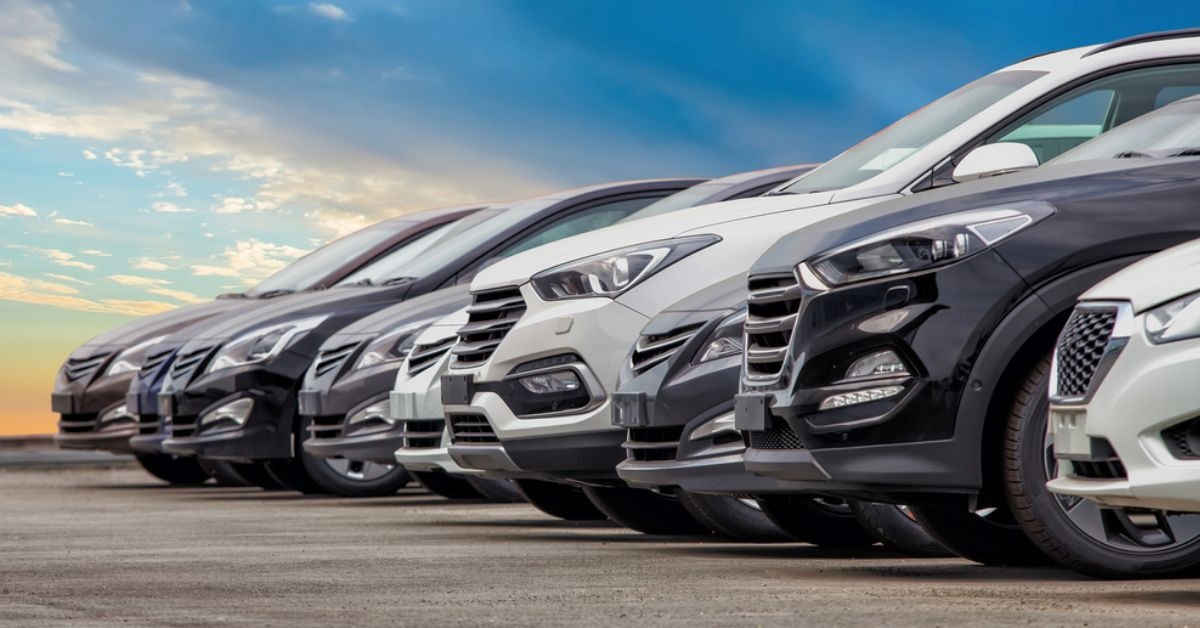
Introduction to Auto Industry
The auto sector has been at the heart of human progress for over a century. From the first motor vehicles to today’s smart, electric and connected cars, the industry has evolved dramatically. The word auto is no longer just about vehicles with four wheels; it represents innovation, sustainability, and the way people interact with technology in motion. Today’s automotive landscape is a mix of traditional engineering, digital transformation, and environmental responsibility.
Evolution of Automobiles
The journey of the automobile is marked by several stages of advancement:
-
Early mechanical era: Invention of the internal combustion engine and mass production by pioneers like Henry Ford.
-
Expansion phase: Growth of global car ownership, expansion of highways, and the rise of affordable vehicles.
-
Technological age: Introduction of safety systems such as airbags, ABS, and advanced suspension technologies.
-
Digital revolution: Cars today are integrated with software, sensors, and AI-powered features.
The auto industry has always adapted to society’s changing needs, from basic mobility to efficient, sustainable, and intelligent travel.
Electric and Hybrid Vehicles
One of the most transformative trends in the auto sector is the shift towards electric and hybrid vehicles. Governments are pushing regulations that encourage eco-friendly options, while consumers are seeking cost savings and reduced emissions.
Advantages of electric vehicles (EVs):
-
Zero tailpipe emissions
-
Lower running costs compared to fuel-powered cars
-
Smooth, quiet driving experience
-
Integration with smart grids and renewable energy
Challenges faced by EVs:
-
Limited charging infrastructure in certain regions
-
Higher upfront cost compared to conventional vehicles
-
Battery disposal and recycling concerns
Despite these hurdles, EVs are expected to dominate the global auto market in the coming decades.
Smart and Connected Cars
Modern cars are increasingly defined by their digital capabilities. A connected car does not only take you from point A to B; it provides real-time data, entertainment, and even remote access.
Key features include:
-
Built-in navigation with live traffic updates
-
Advanced driver assistance systems (ADAS) such as lane-keeping, adaptive cruise control, and collision detection
-
Over-the-air software updates
-
Voice-controlled infotainment systems
-
Vehicle-to-vehicle (V2V) and vehicle-to-infrastructure (V2I) communication
This level of connectivity is shaping a new era of auto innovation, where cars act as smart devices on wheels.
Autonomous Driving
Self-driving technology has been one of the most discussed innovations in the auto industry. While fully autonomous cars are not yet mainstream, significant progress has been made.
Levels of autonomy explained:
-
Level 1: Driver assistance (cruise control, lane assist)
-
Level 2: Partial automation (steering + acceleration/braking with driver monitoring)
-
Level 3: Conditional automation (car can handle most tasks, but driver must intervene if needed)
-
Level 4: High automation (car can drive itself in most conditions, limited need for driver input)
-
Level 5: Full automation (no steering wheel or human control required)
While safety, legislation, and public acceptance remain challenges, the future of autonomous vehicles promises reduced accidents, efficient traffic flow, and enhanced accessibility for elderly or disabled passengers.
Sustainability and Green Mobility
The auto industry is under pressure to reduce its carbon footprint. This has resulted in several eco-conscious innovations:
-
Development of lightweight materials to improve fuel efficiency
-
Hydrogen fuel cell technology
-
Shared mobility solutions like car-sharing and ride-hailing services
-
Circular economy practices, including recycling vehicle components
Sustainability in the auto sector is no longer optional; it is central to future competitiveness.
The Role of Artificial Intelligence in Auto
AI is revolutionising the way vehicles operate and how manufacturers manage production.
Applications of AI in the auto industry:
-
Predictive maintenance and diagnostics
-
Enhanced safety with real-time data analysis
-
Smart manufacturing with robotics and automation
-
Personalised in-car experiences using AI-driven assistants
-
Energy optimisation for electric vehicles
AI is enabling cars to become not just modes of transport, but intelligent companions.
Future Trends in Auto Industry
The automotive industry is heading towards an exciting future with several defining trends:
-
Electrification becoming mainstream
-
Autonomous driving moving closer to reality
-
Sustainable manufacturing using renewable materials
-
Integration with smart cities for seamless travel
-
Mobility-as-a-Service (MaaS) replacing traditional car ownership in urban areas
Consumers are shifting from viewing cars as possessions to considering them as services.
FAQs on Auto
What does the term “auto” mean today?
Traditionally, “auto” referred to a motor vehicle. Today, it encompasses electric cars, smart systems, autonomous technologies, and eco-friendly solutions.
Are electric cars cheaper to maintain than petrol cars?
Yes, EVs have fewer moving parts, which means lower maintenance costs. You don’t need oil changes, and brake wear is reduced due to regenerative braking systems.
How safe are self-driving cars?
Autonomous vehicles are designed with multiple sensors and AI systems to reduce human error, which is the leading cause of accidents. However, regulations and testing are still ongoing to ensure complete safety.
Will car ownership decline in the future?
In large cities, car ownership may decline due to the rise of ride-sharing and Mobility-as-a-Service. However, in rural areas, private car ownership is likely to remain essential.
How is AI changing the driving experience?
AI enhances safety with features like collision avoidance, adapts driving patterns to reduce energy consumption, and personalises infotainment for individual preferences.