


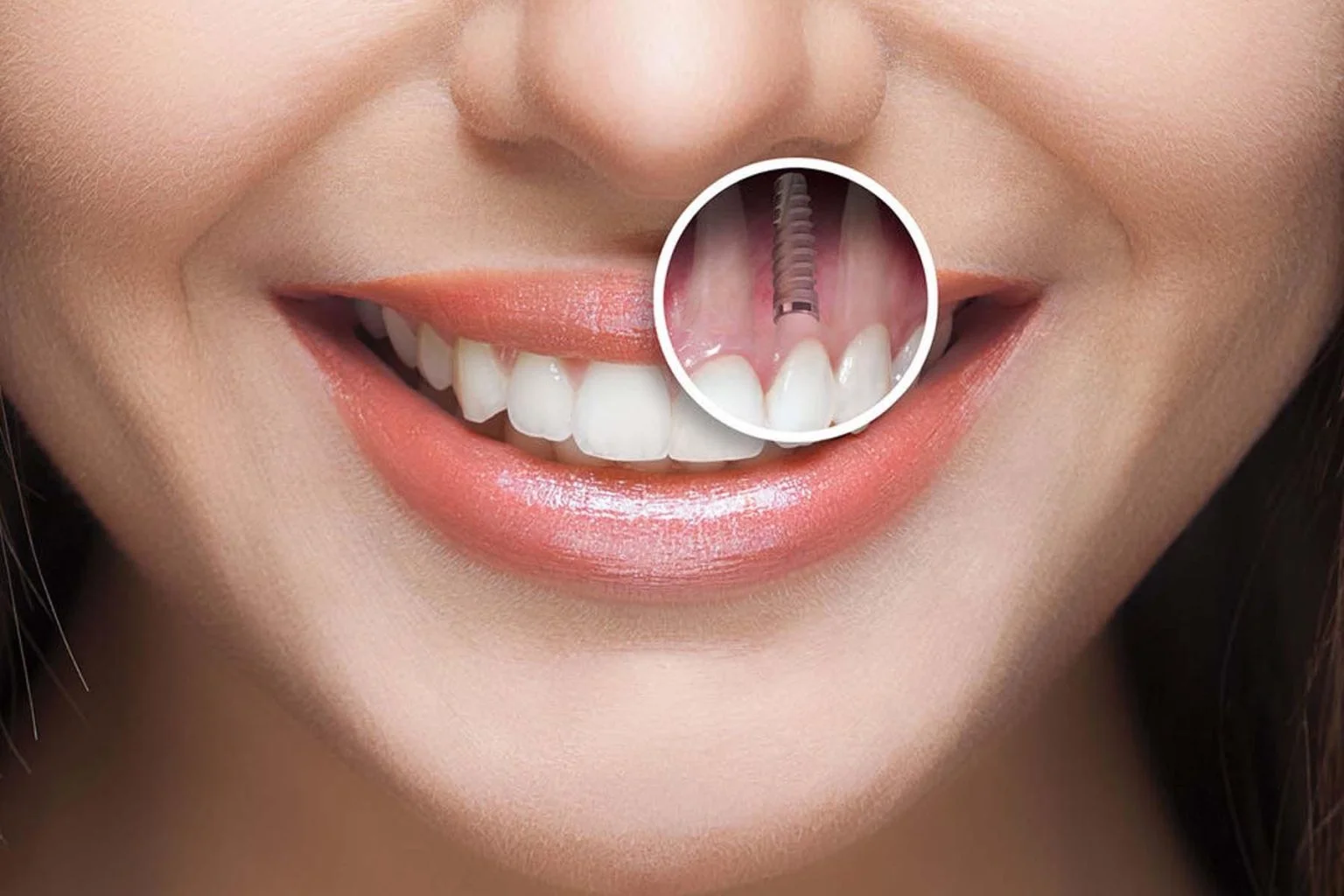
Dental implants are now considered one of the most predictable and durable ways to replace missing teeth. In London, where patients often expect both functional reliability and refined aesthetics, implant planning has become a sophisticated, multi-stage process.
On the first consultation, patients frequently focus on cost and timelines. While these are valid concerns, experienced clinicians begin by evaluating bone quality, gum health and bite dynamics. According to Dr. Sahil Patel of Marylebone Smile Clinic based at 66 Harley St, London: “Thorough assessment is the foundation of predictable implant care. Patients often explore options online, but it’s important to review personalised diagnostics before making assumptions.” His advice underlines the importance of informed decision-making at the earliest stage. Anyone considering dental implants in London treatment should understand that successful results depend far more on careful preparation than on the surgical appointment itself. Implant dentistry is not simply about placing a titanium post in the jaw; it is about designing a long-term solution tailored to the individual’s oral health, facial structure and lifestyle.
Comprehensive Assessment and Digital Diagnostics
Implant planning starts with a detailed clinical and radiographic assessment. Modern London practices rely heavily on cone beam computed tomography (CBCT) scans to evaluate bone volume and anatomical landmarks. This technology allows clinicians to measure bone height, width and density with precision, reducing the risk of complications. It also highlights proximity to vital structures such as the inferior dental nerve or maxillary sinus, both of which influence surgical strategy.
Digital impressions have largely replaced traditional moulds, improving patient comfort and accuracy. Intraoral scanners generate three-dimensional models that can be integrated with CBCT data. This integration enables virtual implant placement before any surgical step is taken. By mapping out the final crown position first, dentists work backwards to determine optimal implant angulation and depth.
Aesthetic considerations are equally important. Smile lines, lip movement and gum display all influence how the implant-supported crown should be designed. In London’s professional environment, many patients are particularly concerned about achieving a natural appearance that blends seamlessly with neighbouring teeth. This is why photographic analysis and digital smile design tools are often part of the diagnostic phase.
Medical history also plays a crucial role. Conditions such as uncontrolled diabetes, smoking habits and certain medications can affect healing and osseointegration. A comprehensive assessment ensures that potential risk factors are identified and managed before treatment begins, rather than addressed reactively after complications arise.
Bone Quality, Grafting and Long-Term Stability
Not every patient presents with ideal bone volume. Tooth loss often leads to gradual bone resorption, particularly in the first year after extraction. In such cases, additional procedures may be required to create a stable foundation for implants. Bone grafting, sinus lifts and ridge augmentation are common preparatory treatments in London clinics.
Bone grafting materials vary, ranging from synthetic substitutes to processed donor bone. The choice depends on the size of the defect and the desired healing time. Guided bone regeneration techniques use membranes to protect graft material and encourage predictable bone growth. Although these procedures extend the overall treatment timeline, they significantly improve long-term implant stability.
Primary stability at the time of implant placement is a key determinant of success. This refers to how firmly the implant engages with surrounding bone. Adequate bone density allows for better mechanical anchorage, which supports successful osseointegration over the following months. Where bone density is lower, clinicians may adjust implant design, length or diameter to enhance stability.
Patients sometimes ask whether immediate implants are suitable. While placing an implant directly after extraction can preserve bone contours, it is not appropriate in every case. Active infection, insufficient bone or poor gum health may necessitate a staged approach. Thoughtful planning ensures that speed does not compromise durability.
Gum Health and Soft Tissue Management
Healthy gums are as important as strong bone in implant dentistry. Periodontal disease is a leading cause of implant failure if left untreated. Before planning implant placement, clinicians must ensure that any existing gum inflammation is controlled. This may involve professional cleaning, scaling and tailored oral hygiene instruction.
Soft tissue thickness influences aesthetic outcomes. Thin gum biotypes are more prone to recession, which can expose implant components and compromise appearance. In aesthetic zones, especially upper front teeth, soft tissue grafting may be recommended to enhance gum volume and contour. These procedures help create a natural emergence profile for the final crown.
Long-term maintenance also depends on gum health. Implants are susceptible to peri-implantitis, an inflammatory condition affecting the surrounding tissues. Unlike natural teeth, implants lack a periodontal ligament, making early detection and management of inflammation essential. Regular reviews allow clinicians to monitor tissue health and intervene promptly if issues arise.
For patients considering dental implant London services, understanding the importance of gum preparation can prevent disappointment later. Implant treatment is not isolated from overall oral health; it forms part of a comprehensive care strategy. Stable, healthy gums frame the implant crown and contribute significantly to its longevity.
Occlusion, Bite Planning and Functional Harmony
An implant must function harmoniously within the patient’s bite. Occlusion refers to how upper and lower teeth meet during chewing and at rest. Poorly planned occlusion can overload an implant, leading to mechanical complications such as screw loosening or crown fracture.
During the planning phase, dentists analyse bite patterns, including lateral movements and grinding habits. Bruxism, which is common in high-stress urban populations, increases force on restorations. In such cases, protective measures such as night guards may be recommended after implant placement.
The number and position of implants also affect load distribution. For patients missing multiple teeth, strategic placement ensures even force transmission across the jaw. In full-arch cases, advanced protocols such as All-on-4 or All-on-6 concepts are often used to maximise support while minimising the number of implants required.
Temporary restorations may be provided during healing to maintain function and aesthetics. These provisional solutions are carefully adjusted to avoid excessive pressure on the implant site. Functional harmony is not achieved by chance; it results from detailed analysis and incremental adjustments throughout the treatment process.
Material Selection and Aesthetic Integration
Implant components are typically made from titanium or zirconia. Titanium remains the most widely used material due to its proven biocompatibility and strength. Zirconia implants are sometimes chosen for patients with metal sensitivities or specific aesthetic concerns, though they require careful case selection.
The visible crown attached to the implant must match surrounding teeth in colour, translucency and shape. London patients often request highly natural results, particularly in visible areas. Dental laboratories use layered ceramics and digital shade-matching systems to achieve lifelike outcomes.
Abutment choice, which connects the implant to the crown, also influences aesthetics. Custom abutments allow for improved gum contouring and support. In thin gum biotypes, tooth-coloured materials may prevent grey shadowing through the tissue.
Attention to detail in material selection ensures that the implant restoration does not stand out unnaturally. A well-integrated implant should be indistinguishable from neighbouring teeth in both appearance and function. This stage requires collaboration between clinician and laboratory, supported by digital planning data gathered at the outset.
Aftercare, Monitoring and Patient Responsibility
Implant success does not end when the crown is fitted. Long-term outcomes depend on consistent maintenance and patient commitment. Professional cleaning appointments allow clinicians to assess tissue health, check bite stability and ensure that components remain secure.
Patients are advised to use interdental brushes or water flossers specifically designed for implant care. Standard brushing alone may not adequately clean around implant fixtures. Education at the outset helps prevent plaque accumulation and inflammation.
Lifestyle factors also influence longevity. Smoking cessation significantly improves healing and reduces complication rates. Balanced nutrition and management of systemic conditions such as diabetes further support implant stability.
In London’s busy environment, patients may overlook routine reviews once function is restored. However, implants require ongoing monitoring just like natural teeth. Early detection of minor issues can prevent more complex interventions later. Thoughtful planning, precise execution and diligent aftercare together form the framework for predictable, long-lasting implant treatment.
Dental implants offer a durable and aesthetically refined solution for missing teeth, but their success depends on structured preparation rather than speed. From diagnostics and bone assessment to material selection and aftercare, each planning stage contributes to a stable result. Patients who understand these essentials are better equipped to engage confidently with their clinician and achieve outcomes that serve them reliably for many years.