


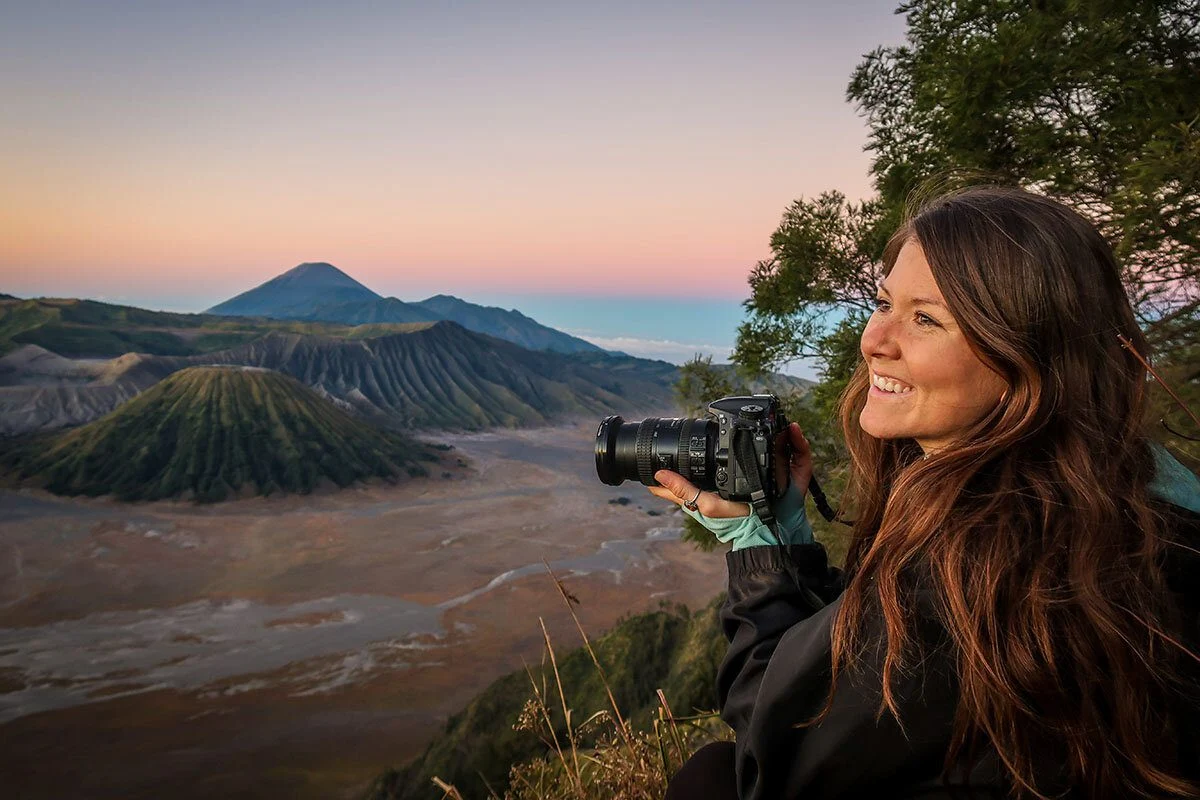
Travel photography is more than just taking pictures during a trip—it is the art of preserving places, cultures, and moments in a way that tells a story. A powerful photograph can transport viewers to distant mountains, vibrant markets, or peaceful beaches without them ever leaving home.
Whether you’re a professional photographer or a casual traveler with a camera, learning how to capture destinations beautifully can transform ordinary travel memories into compelling visual narratives.
Why Travel Photography Matters
Travel photography allows you to document experiences, cultures, and landscapes that might otherwise fade with time. Each photograph becomes a visual memory that reflects the atmosphere of a place.
Some key reasons why travel photography is so meaningful include:
- Preserving memories from your journeys
- Sharing cultures and landscapes with a wider audience
- Telling visual stories about people and places
- Inspiring others to explore the world
A well-captured image can communicate emotion, scale, and atmosphere in a way words often cannot.
Essential Gear for Travel Photography
You don’t need a suitcase full of equipment to take incredible travel photos. Many photographers prefer lightweight gear that is easy to carry during long explorations.
Essential equipment to consider:
- Camera – Mirrorless or DSLR cameras provide flexibility and image quality.
- Versatile lens – A 24–70mm or 18–135mm zoom lens works well for most travel scenes.
- Tripod – Useful for night photography, landscapes, and long exposures.
- Extra batteries and memory cards – Travel days can be long and unpredictable.
- Lens cleaning kit – Dust, sand, and humidity can quickly affect image quality.
Smart packing helps you stay mobile while still being ready for spontaneous photographic moments.
Mastering Light While Traveling
Light is the most important element in photography. Even an ordinary location can look stunning when captured under beautiful lighting conditions.
Best Times for Travel Photography
- Golden Hour – Shortly after sunrise or before sunset, producing soft and warm tones.
- Blue Hour – The twilight period just before sunrise or after sunset, ideal for cityscapes.
- Overcast Days – Perfect for portraits and street photography due to diffused lighting.
Avoid shooting under harsh midday sunlight unless you are intentionally using strong shadows or high contrast.
Composition Techniques for Stunning Travel Photos
Composition determines how viewers experience your photograph. A thoughtfully composed image naturally guides the eye.
Effective composition techniques include:
- Rule of Thirds – Place subjects off-center to create balance.
- Leading Lines – Use roads, rivers, or architecture to guide the viewer’s eye.
- Natural Framing – Shoot through windows, arches, or trees to frame the subject.
- Foreground Interest – Add depth by including elements in the front of the scene.
- Symmetry and Patterns – Great for architectural and urban photography.
Practicing these techniques will make your images more visually engaging and professional.
Capturing Local Culture and People
Landscapes show where you traveled, but people reveal the spirit of a destination.
When photographing locals:
- Always ask permission before taking close portraits.
- Use natural interactions rather than staged poses.
- Capture daily activities such as cooking, crafting, or working.
- Show authentic environments that represent the culture.
Respect and sensitivity are essential when photographing people in unfamiliar places.
Editing Travel Photos for Impact
Post-processing enhances the mood and clarity of your travel images without making them look artificial.
Common editing improvements include:
- Adjusting exposure and contrast
- Enhancing color balance and vibrancy
- Correcting lens distortion and perspective
- Cropping for stronger composition
Editing should support the story of the image rather than overpower it.
Practical Tips for Better Travel Photography
Here are some practical strategies that experienced travel photographers follow:
- Scout locations early to find the best viewpoints.
- Wake up for sunrise—popular destinations are quieter and more beautiful.
- Carry minimal gear to stay flexible.
- Study local culture before photographing people or sacred places.
- Shoot multiple perspectives instead of settling for one frame.
Patience often leads to the most rewarding travel images.
Common Mistakes to Avoid
Even experienced travelers sometimes fall into these traps:
- Rushing through locations without observing the environment
- Overpacking heavy photography equipment
- Ignoring changing light conditions
- Taking photos without storytelling elements
- Excessively editing images
Avoiding these mistakes helps create more meaningful and authentic photographs.
Conclusion
Travel photography is a powerful way to document the beauty, diversity, and emotion of the world. By understanding lighting, composition, and storytelling, you can transform simple snapshots into compelling visual experiences.
The best travel photographs often come from curiosity and patience. Take time to observe your surroundings, connect with local cultures, and capture moments that truly represent the essence of a destination.
FAQ
1. What camera is best for travel photography?
Mirrorless cameras are popular because they provide excellent image quality while remaining lightweight and portable.
2. Do I need professional equipment for travel photography?
No. Many stunning travel photos are taken with smartphones or entry-level cameras. Skill and creativity matter more than expensive gear.
3. How can I take better travel photos with a smartphone?
Use natural light, follow composition rules like the rule of thirds, keep the lens clean, and experiment with different angles.
4. What is the best lens for travel photography?
A versatile zoom lens such as 24–70mm or 18–135mm works well for landscapes, street scenes, and portraits.
5. How do I photograph famous tourist locations without crowds?
Arrive early in the morning, visit during off-season periods, or explore alternative viewpoints away from the main areas.
6. Is it important to edit travel photos?
Editing helps refine exposure, color, and contrast, allowing your images to better reflect the atmosphere of the location.
7. How can I make my travel photos tell a story?
Focus on capturing a mix of landscapes, details, people, and daily life scenes that together represent the experience of a destination.