


Introduction to the Auto Industry
The automobile, often shortened to auto, has transformed the way people live, work, and travel. From early steam-powered vehicles to today’s software-driven electric cars, autos reflect a blend of engineering progress, social change, and economic growth. What began as a luxury item has become an everyday necessity across much of the world.
A Brief History of Automobiles
Early Beginnings
The first automobiles emerged in the late 19th century, powered by steam and later by internal combustion engines. These early machines were noisy, unreliable, and expensive, but they laid the groundwork for modern mobility.
Mass Production Era
The introduction of assembly-line manufacturing made cars affordable for the average consumer. This era reshaped cities, enabled suburban living, and created millions of jobs across manufacturing, fuel, and infrastructure sectors.
Digital and Electric Revolution
In recent decades, electronics, sensors, and software have become as important as engines. Electric vehicles (EVs) and hybrid cars now challenge traditional fuel-powered models, offering cleaner and more efficient transportation.
Key Components of a Modern Automobile
Modern autos are complex systems made up of interconnected parts working in harmony.
Core components include:
-
Powertrain: Engine or electric motor, transmission, and drivetrain
-
Chassis: Frame, suspension, and steering systems
-
Electrical systems: Battery, wiring, sensors, and onboard computers
-
Safety systems: Airbags, braking systems, and driver-assistance features
Each component plays a critical role in performance, comfort, and safety.
Types of Automobiles Available Today
Passenger Vehicles
Designed primarily for personal use, these include:
-
Sedans
-
Hatchbacks
-
SUVs
-
Crossovers
Commercial Vehicles
Built for transporting goods or passengers:
-
Trucks
-
Vans
-
Buses
Alternative-Fuel Vehicles
With sustainability in focus, newer options include:
-
Electric vehicles (EVs)
-
Hybrid vehicles
-
Hydrogen fuel-cell cars
Automotive Technology and Innovation
Technology now defines the driving experience more than ever.
Notable advancements include:
-
Advanced Driver Assistance Systems (ADAS) such as lane-keeping and adaptive cruise control
-
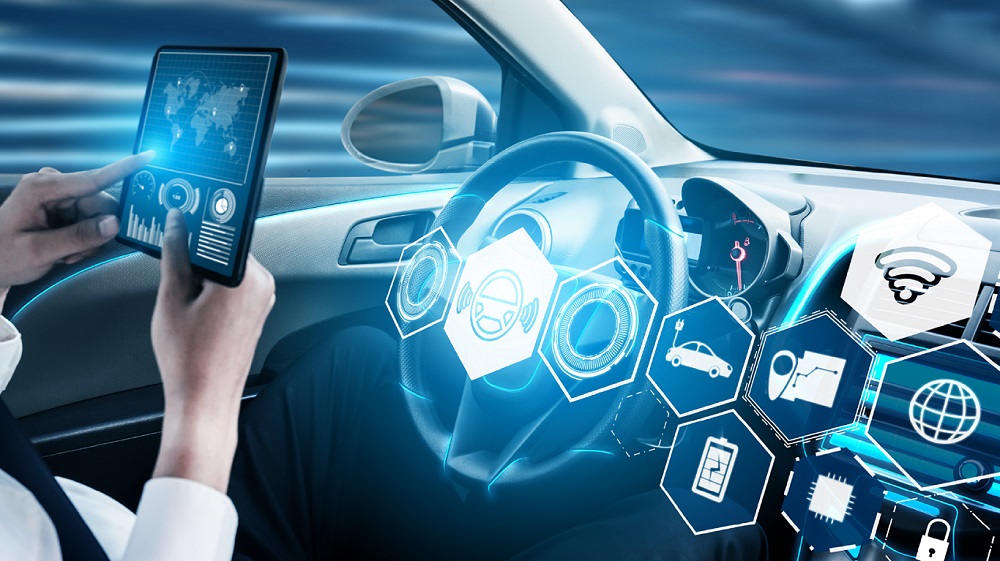
Connected car features enabling navigation, diagnostics, and remote access
-
Autonomous driving research aiming to reduce accidents and traffic congestion
These innovations improve safety while making driving more convenient and efficient.
Environmental Impact and Sustainability
Traditional automobiles contribute to air pollution and greenhouse gas emissions. In response, manufacturers and governments are pushing toward cleaner alternatives.
Key sustainability efforts include:
-
Improved fuel efficiency standards
-
Expansion of EV charging infrastructure
-
Use of recyclable materials in vehicle manufacturing
The auto industry is steadily moving toward a lower environmental footprint.
The Future of Automobiles
The future of autos points toward smart, connected, and autonomous mobility. Vehicles are expected to integrate seamlessly with cities, energy grids, and digital ecosystems. Shared mobility, self-driving technology, and renewable energy will likely redefine how people think about car ownership.
Frequently Asked Questions (FAQs)
What does the term “auto” commonly refer to?
It generally refers to an automobile, a motor-powered vehicle designed for road transportation.
How are electric cars different from traditional cars?
Electric cars use battery-powered motors instead of internal combustion engines, producing zero tailpipe emissions.
Are modern automobiles safer than older models?
Yes, due to improved structural design, safety systems, and driver-assistance technologies.
What factors should be considered before buying a car?
Budget, fuel type, maintenance costs, safety features, and intended usage are key considerations.
How does connected car technology benefit drivers?
It offers real-time navigation, vehicle diagnostics, emergency assistance, and enhanced convenience.
Will autonomous cars completely replace human drivers?
While progress is rapid, full replacement is unlikely in the near future due to legal, technical, and ethical challenges.
How is the auto industry addressing climate change?
Through electrification, improved efficiency, and investment in sustainable manufacturing practices.