


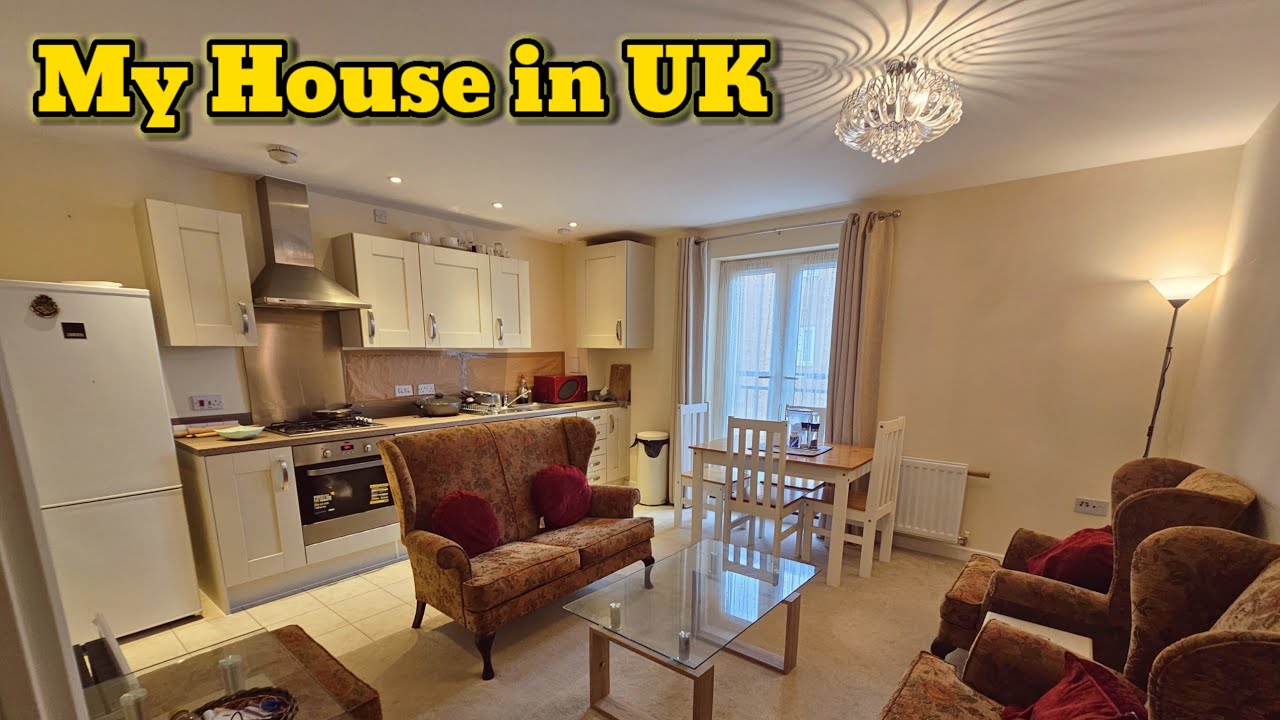
Introduction to the UK Home
A UK home reflects much more than just a place to live. It represents cultural heritage, architectural diversity, and lifestyle. From Victorian terraces to modern eco-friendly builds, the UK housing market offers a wide range of styles and structures. Understanding the nature of homes in the UK is essential for homeowners, renters, and property investors alike.
In the UK, the concept of “home” often blends tradition with practicality. While many properties retain historical character, new housing developments are designed to meet sustainability and energy-efficiency goals. Whether you’re buying, renting, or renovating, knowing the key features of a UK home is invaluable.
Types of Homes in the UK
UK homes come in a variety of styles, each with its own appeal and function.
Detached Houses
-
Standalone properties with no shared walls
-
Usually larger, with gardens and driveways
-
Offer privacy but are often more expensive
Semi-Detached Houses
-
Share one wall with another property
-
Popular across suburban areas
-
A balance of affordability and space
Terraced Houses
-
Built in rows with shared walls on both sides
-
Traditional in cities such as London, Manchester, and Liverpool
-
Cost-effective and full of character
Flats and Apartments
-
Common in urban centres
-
Range from studio flats to luxury penthouses
-
Often chosen by young professionals and students
Cottages and Bungalows
-
Cottages are typical in rural areas, full of charm and history
-
Bungalows are single-storey properties, ideal for accessibility
Architectural Styles
The UK showcases a mix of historic and modern architecture.
Georgian Homes
-
Symmetrical design with sash windows
-
Elegant proportions and high ceilings
Victorian and Edwardian Homes
-
Decorative brickwork and bay windows
-
Larger rooms with ornate details
Modern and Eco Homes
-
Open-plan layouts
-
Built with sustainable materials and energy-saving features
Owning a Home in the UK
Buying a home in the UK involves several steps, from securing a mortgage to completing legal checks.
-
Mortgages: Most buyers rely on a mortgage. Fixed and variable rates are available.
-
Stamp Duty: A tax applied on property purchases above certain thresholds.
-
Surveys: Structural surveys ensure the property is in good condition.
-
Conveyancing: Legal transfer of ownership handled by solicitors.
Renting a Home
Renting is a popular choice in cities, especially among students and professionals.
-
Tenancy Agreements: Outline responsibilities of tenants and landlords.
-
Deposit Protection: Deposits must be held in a government-approved scheme.
-
Furnished vs Unfurnished: Tenants can choose depending on preference.
Home Renovations
Many UK homeowners invest in renovations to add value or adapt homes to modern living.
-
Loft conversions for extra bedrooms
-
Kitchen extensions for open-plan living
-
Garden landscaping to increase outdoor appeal
-
Installing energy-efficient heating systems
Sustainable Living in UK Homes
Eco-conscious living is becoming a priority.
-
Insulation: Proper insulation reduces heating costs.
-
Solar Panels: A renewable energy source growing in popularity.
-
Smart Homes: Technology to monitor energy usage.
Challenges in the UK Housing Market
The UK housing market is competitive and faces challenges such as:
-
High demand and limited supply in major cities
-
Rising property prices compared to wages
-
Struggles for first-time buyers to step onto the ladder
FAQs about UK Homes
What is the average price of a UK home?
Prices vary significantly by location. London and the South East have the highest property values, while areas in the North of England and Wales tend to be more affordable.
Are UK homes smaller than in other countries?
Yes, UK homes are often smaller compared to properties in the US or parts of Europe. Space-saving designs and terraced housing make efficient use of land.
Can foreigners buy property in the UK?
Yes, non-UK residents can purchase property. However, mortgage options may be more limited, and additional taxes may apply.
What are common features of a UK home?
Features often include smaller kitchens, central heating, double-glazed windows, and in older properties, fireplaces and period detailing.
Is it better to buy or rent in the UK?
It depends on personal circumstances. Buying builds long-term equity, but renting offers flexibility, particularly for those moving frequently for work or study.
How do UK homes handle heating?
Most homes rely on gas central heating systems. Newer homes are beginning to use heat pumps and alternative renewable energy sources.