


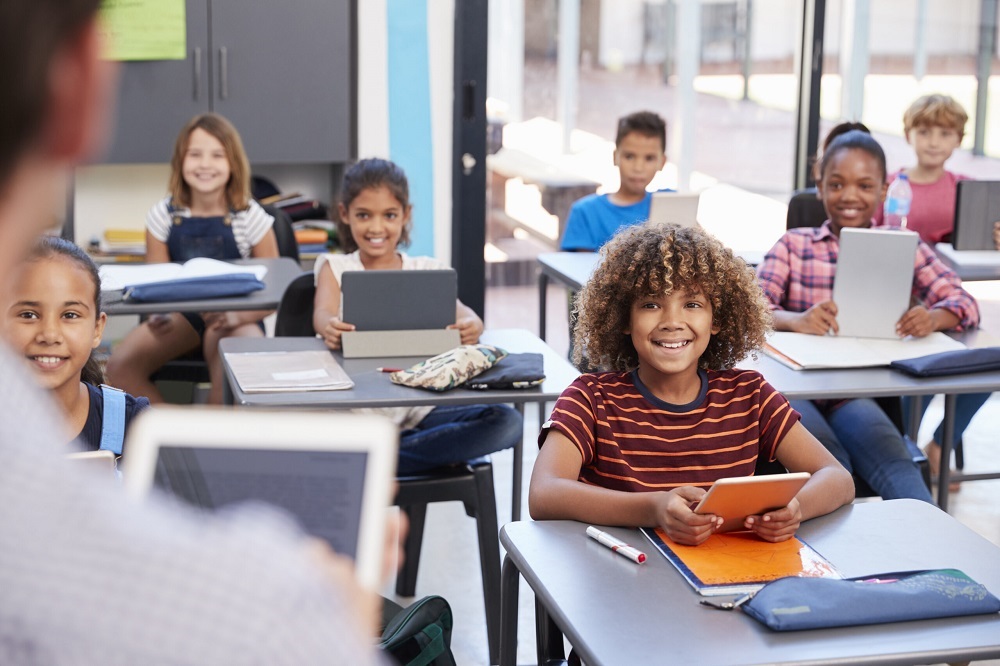
Education is more than formal schooling. It is a lifelong process that shapes how individuals think, communicate, and contribute to society. From early childhood learning to professional development, education builds knowledge, skills, values, and critical thinking abilities that influence personal growth and social progress.
In today’s interconnected world, education also serves as a bridge between cultures, economies, and generations, helping societies adapt to constant change.
The Core Purpose of Education
At its foundation, education aims to empower individuals and strengthen communities. Its primary objectives include:
-
Developing critical thinking and problem-solving skills
-
Encouraging creativity and curiosity
-
Building ethical values and social responsibility
-
Preparing individuals for meaningful careers
-
Promoting informed citizenship
Education equips learners not just to earn a living, but to lead purposeful lives.
Traditional vs. Modern Education Systems
Traditional Education Models
Conventional education systems emphasize structured classrooms, standardized curricula, and teacher-led instruction. While this model has produced generations of skilled professionals, it often prioritizes memorization over understanding.
Modern and Progressive Approaches
Contemporary education focuses on adaptability and learner engagement. Key characteristics include:
-
Student-centered learning
-
Project-based and experiential education
-
Integration of technology
-
Collaborative and interdisciplinary methods
-
Continuous assessment rather than one-time exams
These approaches aim to prepare learners for real-world challenges rather than predictable routines.
The Role of Technology in Education
Technology has transformed how education is delivered and accessed. Digital tools now enable learning beyond physical boundaries, making education more inclusive and flexible.
Key technological contributions include:
-
Online learning platforms and virtual classrooms
-
Artificial intelligence for personalized learning
-
Interactive multimedia content
-
Global access to information and resources
While technology enhances learning, its effectiveness depends on thoughtful integration and digital literacy.
Challenges Facing Modern Education
Despite advancements, education systems worldwide face persistent challenges:
-
Unequal access to quality education
-
Teacher shortages and burnout
-
Outdated curricula
-
Overreliance on standardized testing
-
Digital divides between communities
Addressing these issues requires collaboration between governments, educators, families, and communities.
Education as a Tool for Social Change
Education plays a crucial role in reducing inequality and fostering social mobility. It empowers individuals to challenge injustice, make informed decisions, and participate actively in democratic processes.
Societies that invest in education often experience:
-
Improved economic stability
-
Better health outcomes
-
Greater civic engagement
-
Lower crime rates
In this sense, education is both a personal asset and a public good.
The Future of Education
The future of education is likely to be more flexible, personalized, and skills-oriented. Emphasis will shift toward:
-
Lifelong learning
-
Emotional intelligence and soft skills
-
Interdisciplinary knowledge
-
Sustainability and global awareness
As the world evolves, education must remain dynamic, inclusive, and responsive to human needs.
Frequently Asked Questions (FAQs)
1. Why is education important for personal development?
Education enhances critical thinking, self-awareness, communication skills, and confidence, enabling individuals to make informed life choices.
2. How does education impact economic growth?
A well-educated workforce increases productivity, innovation, and employment opportunities, contributing to long-term economic stability.
3. What is lifelong learning in education?
Lifelong learning refers to the continuous pursuit of knowledge and skills throughout life, beyond formal schooling.
4. How can education systems become more inclusive?
Inclusivity can be improved through equitable funding, accessible learning materials, teacher training, and supportive policies.
5. What role do teachers play in modern education?
Teachers act as facilitators, mentors, and guides, helping students develop critical thinking and real-world skills.
6. Is online education as effective as traditional education?
When designed effectively, online education can be equally impactful, offering flexibility and personalized learning experiences.
7. How does education shape society’s future?
Education shapes future leaders, innovators, and citizens, influencing social values, economic progress, and global cooperation.