


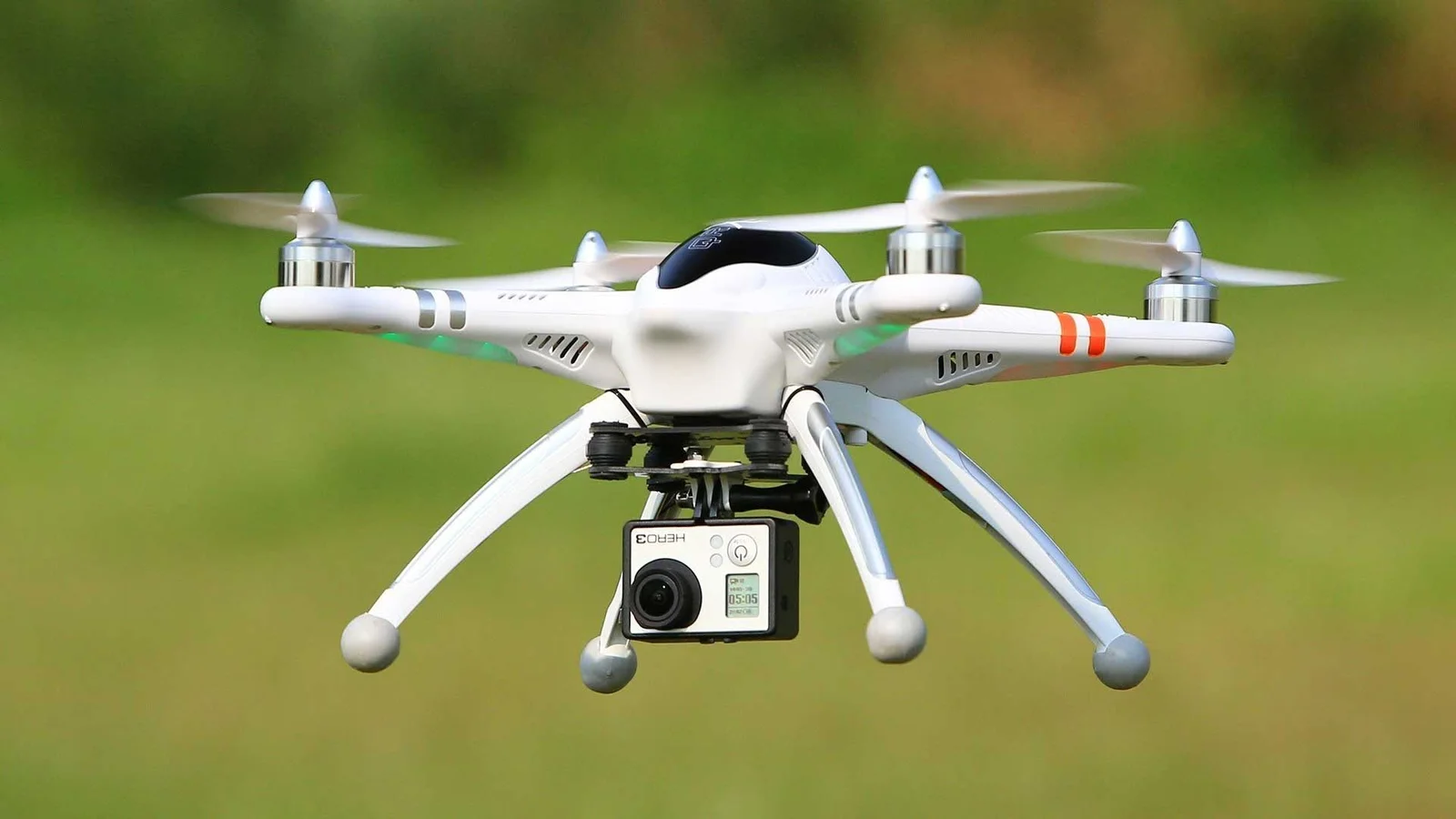
Unmanned aerial vehicles, commonly known as drones, have evolved from niche military tools into powerful commercial technologies. Over the last decade, rapid improvements in automation, sensors, artificial intelligence, and battery efficiency have transformed drones into practical tools for businesses across multiple industries.
Today, companies use drones to collect data, transport goods, inspect infrastructure, monitor environments, and automate tasks that once required significant human labor. As regulations gradually adapt and technology becomes more accessible, drones are reshaping industries ranging from agriculture to logistics.
The Evolution of Commercial Drone Technology
Commercial drones became viable when consumer electronics, GPS navigation, and high-resolution cameras converged. Early models primarily served photographers and hobbyists, but businesses quickly realized their potential.
Key technological developments include:
- Autonomous flight systems that allow drones to follow pre-programmed routes
- Advanced sensors and cameras capable of thermal imaging, LiDAR scanning, and multispectral analysis
- Improved battery technology enabling longer flight times
- Artificial intelligence for automated data processing and object detection
These innovations allow drones to collect accurate real-time data at lower cost and risk compared to traditional methods such as helicopters, cranes, or manual inspections.
Major Commercial Applications of Drones
Agriculture and Precision Farming
Agriculture has become one of the largest commercial markets for drones. Farmers now use aerial systems to monitor crop health and improve resource efficiency.
Common agricultural uses include:
- Crop monitoring: High-resolution imagery identifies disease, water stress, or nutrient deficiencies.
- Precision spraying: Drones apply fertilizers or pesticides only where needed.
- Field mapping: Advanced imaging produces detailed field maps for planning irrigation and planting.
- Livestock monitoring: Farmers track animals across large grazing areas.
These tools help reduce chemical usage, labor costs, and water consumption, while improving overall crop yield.
Infrastructure Inspection and Maintenance
Infrastructure inspection traditionally requires workers to climb towers, operate cranes, or shut down operations. Drones dramatically reduce these risks.
Industries using drones for inspection include:
- Energy: Inspection of wind turbines, solar farms, and power lines
- Construction: Monitoring project progress and site safety
- Oil and gas: Examining pipelines and offshore platforms
- Transportation: Inspecting bridges, railways, and highways
With thermal sensors and high-resolution cameras, drones can identify structural damage, corrosion, or overheating components quickly and safely.
Logistics and Package Delivery
Drone delivery has become one of the most discussed commercial uses. Companies are experimenting with autonomous aerial delivery systems for the “last mile” of logistics.
Potential advantages include:
- Faster delivery times in congested cities
- Reduced transportation costs
- Access to remote or rural locations
- Lower environmental impact compared to traditional vehicles
Retailers, healthcare providers, and logistics firms are testing drones for food delivery, retail goods, and even medical supplies such as vaccines or blood samples.
Real Estate, Media, and Marketing
Drones have revolutionized visual storytelling in real estate and media production. Aerial imagery once required helicopters, but drones now offer high-quality footage at a fraction of the cost.
Typical applications include:
- Real estate marketing: Capturing aerial views of properties and neighborhoods
- Film and television production: Dynamic cinematic shots
- Tourism promotion: Showcasing landscapes, resorts, and attractions
- Event coverage: Weddings, festivals, and sports events
These capabilities have made drones a standard tool in modern digital marketing and content creation.
Environmental Monitoring and Conservation
Drones play a growing role in scientific research and environmental protection. Their ability to reach remote locations allows researchers to collect data that was previously difficult or expensive to obtain.
Environmental applications include:
- Wildlife tracking and anti-poaching surveillance
- Monitoring deforestation and illegal logging
- Mapping glaciers and coastal erosion
- Measuring air quality and pollution levels
By providing frequent, detailed environmental data, drones help organizations make more informed conservation decisions.
Advantages Driving Drone Adoption
Businesses adopt drones because they offer several clear advantages:
Cost efficiency
A drone survey or inspection typically costs far less than helicopters or manual labor.
Improved safety
Drones can inspect dangerous locations such as power lines, tall towers, or disaster zones without risking human lives.
Speed and accessibility
Drones can reach remote or difficult terrain quickly.
High-quality data collection
Advanced imaging and sensors provide detailed data for analysis and decision-making.
Challenges and Regulatory Considerations
Despite their benefits, drone adoption still faces challenges.
Regulatory frameworks
Governments regulate airspace to ensure safety. Businesses must comply with rules covering:
- Drone registration
- Pilot certification
- Altitude limits
- Restricted airspace zones
Privacy concerns
Public concerns about surveillance and data collection require companies to follow strict privacy guidelines.
Technical limitations
Some drones still face constraints such as:
- Limited battery life
- Sensitivity to weather conditions
- Payload capacity restrictions
Ongoing innovation continues to address these limitations.
The Future of Commercial Drones
The commercial drone industry is expected to expand significantly as autonomous flight, AI-powered data analysis, and improved battery technology mature.
Emerging developments include:
- Drone swarms coordinating multiple aircraft for large-scale operations
- Urban air mobility networks integrating drones into city infrastructure
- AI-driven inspection systems that automatically detect defects
- Hybrid drones capable of longer flights and heavier payloads
As regulations evolve and technology improves, drones will likely become a routine tool across many industries, fundamentally changing how businesses collect data, manage logistics, and monitor assets.
Frequently Asked Questions (FAQs)
1. What industries benefit the most from commercial drone technology?
Industries such as agriculture, construction, energy, logistics, real estate, and environmental research currently gain the most value from drone applications.
2. Are commercial drones fully autonomous?
Many drones can follow pre-programmed flight paths, but most commercial operations still involve human supervision for safety and regulatory compliance.
3. How long can commercial drones typically fly?
Most commercial drones have flight times between 20 and 45 minutes, though specialized industrial drones can operate longer with larger batteries or hybrid power systems.
4. Are drones expensive for businesses to adopt?
Entry-level professional drones may cost a few thousand dollars, while advanced industrial systems with specialized sensors can cost significantly more.
5. Do companies need special licenses to operate drones commercially?
In most countries, commercial drone pilots must obtain certification or permits and follow aviation regulations governing unmanned aircraft operations.
6. Can drones operate in bad weather?
Most drones struggle in heavy rain, strong winds, or extreme temperatures, although some industrial models are designed to withstand harsher conditions.
7. Will drones replace traditional delivery methods?
Drones are unlikely to replace all delivery systems but will likely complement existing logistics networks, particularly for fast or remote deliveries.